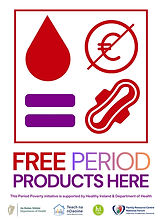
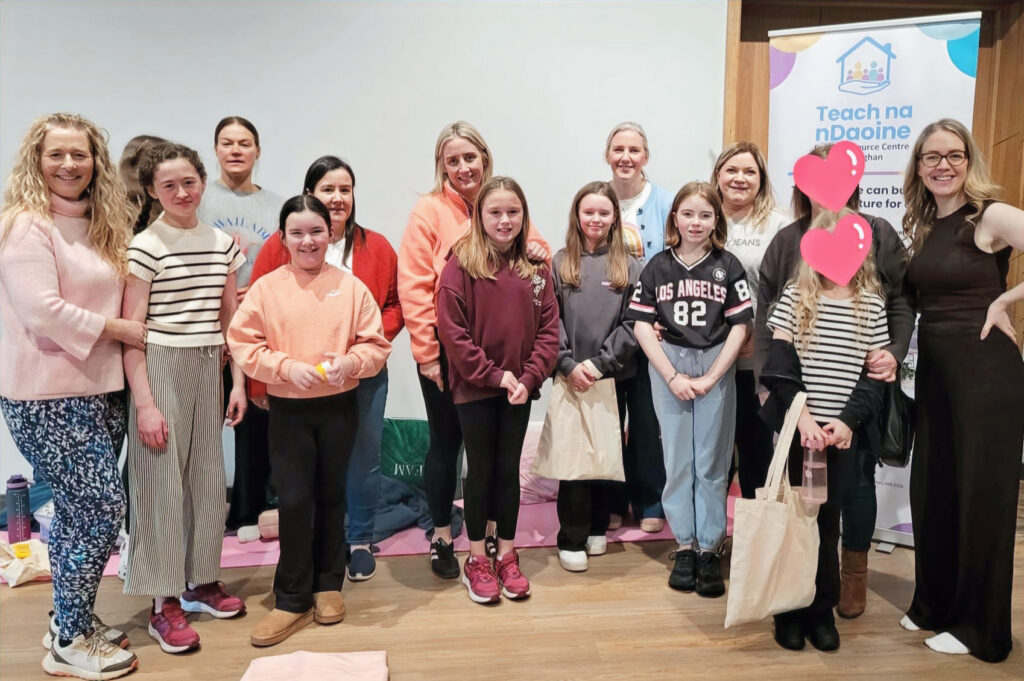
Menstrual health remains a topic often wrapped in silence and discomfort, especially within families. Yet, open conversations about periods are essential for supporting children as they navigate this natural part of growing up. Recently, the Blossom Workshop provided a welcoming space where parents and children came together to learn and talk about menstrual health. The positive feedback from families highlights the importance of such events in breaking down stigma and building confidence around this subject. Thank you to all the families who joined us — your openness and engagement made the day so special. 💕
Why Open Conversations About Menstrual Health Matter
Many families find it challenging to discuss periods openly. This discomfort can leave children feeling confused or anxious when they begin menstruating. When parents avoid the topic, children may turn to unreliable sources for information, which can lead to misunderstandings or shame.
Creating a safe space for honest dialogue helps children:
- Understand what to expect during their menstrual cycle
- Feel supported and less isolated
- Learn practical skills for managing their periods
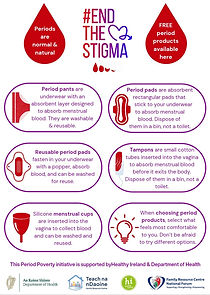
- Learn about the different period products
For parents, these conversations build confidence in addressing questions and concerns, making it easier to provide ongoing support.
What Makes a Supportive Workshop Environment
The Blossom Workshop succeeded because it combined education with empathy. The facilitator, Colette Duffy, founder of Blossom, created a warm and relaxed atmosphere where families felt comfortable sharing and learning together.
Key elements that made the workshop effective included:
- Inclusive language that respected all participants
- Clear, honest information about menstrual health and hygiene
- Activities that encouraged children to express their feelings and ask questions
- Opportunities for parents to practice talking about periods in a supportive setting
This approach helped both parents and children leave feeling more confident and connected.
How Families Benefit from Learning Together
When families attend workshops like Blossom’s, they gain more than just facts. They build trust and understanding that can last a lifetime. Children who feel supported at home are more likely to have positive attitudes about their bodies and health.
Parents reported feeling:
- More prepared to discuss periods without embarrassment
- Equipped with practical tips for helping their children manage menstruation
- Reassured that their children felt supported and informed
Children shared that they felt:
- Less worried about starting their periods
- More comfortable asking questions
- Proud to talk openly about menstrual health
These outcomes show how education and open communication can reduce stigma and promote well-being.
Practical Tips for Families to Start the Conversation
Not every family has access to workshops, but there are simple ways to begin talking about menstrual health at home:
- Use everyday moments to introduce the topic, such as when shopping for period products or watching a related TV show
- Answer questions honestly and age-appropriately, avoiding euphemisms that can confuse children
- Share your own experiences if comfortable, to normalise periods as a natural part of life
- Keep supplies accessible so children feel prepared and supported
- Encourage ongoing dialogue rather than a one-time talk
These steps help build a foundation of trust and openness.
The Role of Community Support and Resources
Workshops like Blossom’s depend on community partnerships and funding to reach families. Healthy Ireland and the Department of Health provided essential support, while Monaghan Town Library generously offered the outreach room free of charge. This collaboration made the event accessible and welcoming.
Communities can further support menstrual health by:
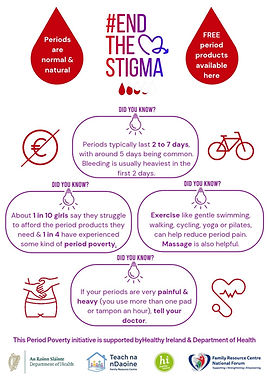
- Providing free or low-cost period products to reduce period poverty
- Creating safe spaces for young people to ask questions
Such efforts ensure that no child feels alone or unprepared when their period begins.
Looking Ahead: Building on Positive Momentum
The feedback from the Blossom Workshop was clear: families want more events like this. They value the chance to learn together and break down barriers around menstrual health. Expanding these opportunities can help end period poverty and stigma in communities everywhere. Think about hosting an information event in your community service!
By continuing to offer supportive workshops, sharing practical information, and fostering open conversations at home, families can create a culture where menstrual health is understood and respected.
Look out for community services in your local area that offer free period products—small supports like these can make a big difference.